
Blogg
Vetenskapen om efterglöd: Vad som verkligen händer i din hjärna och kropp efter sex

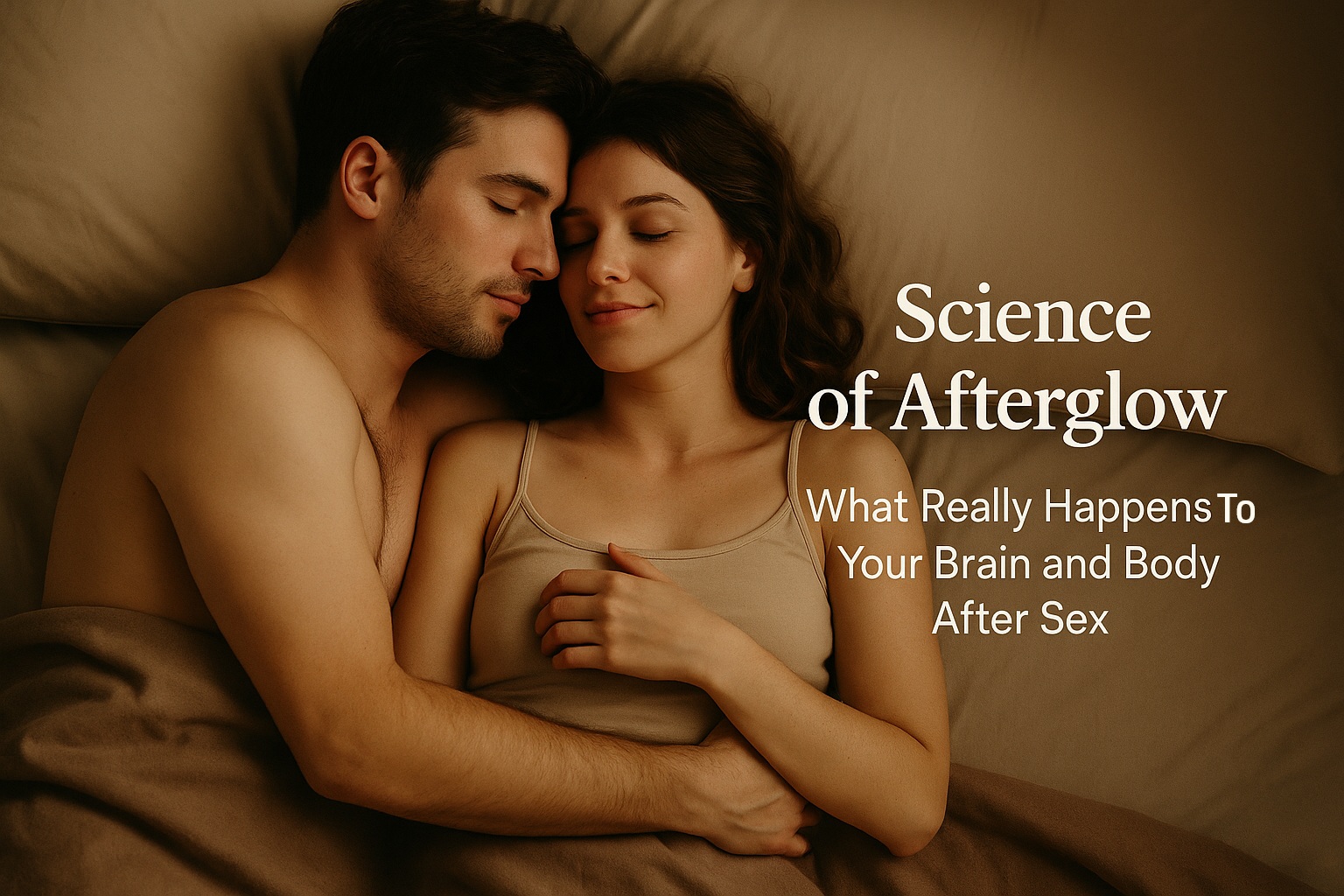
Introduction: The Mystery of the Afterglow
You’ve just had sex. Maybe you feel warm, blissful, and deeply connected. Or perhaps you feel sleepy, calm, or even a little emotional. This lingering state is often called the sexual afterglow—a fascinating mix of biology, chemistry, and psychology that kicks in once the climax fades.
But what exactly is happening inside your brain and body during this post-sex glow? And why do some people feel euphoric while others feel sad or drained? Let’s unpack the science.
What Is the “Afterglow”?

The afterglow is more than just a cultural phrase—it’s a measurable physical and psychological state. Scientists describe it as a period of heightened closeness, relaxation, and neurochemical changes that occur after orgasm.
Common Afterglow Experiences
- A warm, calm, and satisfied feeling
- A desire to cuddle or stay close to a partner
- Deep relaxation or sudden sleepiness
- Heightened emotional vulnerability (sometimes joy, sometimes sadness)
Not everyone feels the afterglow the same way, but almost everyone experiences something shifting inside them once sex ends.
The Brain on Afterglow: Neurochemicals at Work
During and after orgasm, your brain becomes a neurochemical cocktail shaker. These are the main players:
- Oxytocin: Known as the “cuddle hormone”, oxytocin promotes bonding and intimacy. It’s the reason partners often feel closer after sex.
- Dopamine: The reward chemical, flooding your brain’s pleasure circuits and reinforcing sexual activity as desirable.
- Prolactin: Released in large amounts post-orgasm, this hormone is linked to sexual satiety and may explain the refractory period.
- Serotonin: Helps stabilize mood and contributes to the relaxed, content state many people feel.
Why Some People Feel Sad After Sex
Not everyone gets a blissful glow. Some experience postcoital dysphoria (PCD)—feelings of sadness, irritability, or even anxiety after sex. This isn’t unusual; it’s thought to stem from the rapid drop in neurochemicals combined with psychological factors like intimacy fears or past experiences. Some people experience many kinds of fears, we have an article on sex toys fear here!
The Body After Sex: Physical Shifts That Matter
Your body is just as busy as your brain during afterglow.
- Endorphins: Natural painkillers flood your system, easing tension and producing calm.
- Parasympathetic nervous system: This “rest and digest” system takes over, slowing your heart rate and creating relaxation.
- Skin sensitivity: Increased blood flow and lingering nerve activation can make touch feel softer, warmer, more intimate.
Sleep and the Afterglow
Ever wonder why sex makes people sleepy? A mix of prolactin, oxytocin, and even melatonin helps your body transition smoothly into rest. For many, sex is nature’s most enjoyable sleep aid.
Relationship Benefits of Afterglow
The glow isn’t just personal—it’s relational.
- Studies show that couples who cuddle and talk after sex report higher relationship satisfaction.
- Research from the University of Toronto found that afterglow effects can boost relationship bonding for up to 48 hours.
- Oxytocin release deepens feelings of trust and safety, strengthening long-term intimacy.
How to Enhance the Afterglow
You can actually prolong or amplify the afterglow with a few simple habits:
- Stay close: Skin-to-skin contact keeps oxytocin flowing.
- Practice mindfulness: Focus on sensations and emotions instead of rushing into the next activity.
- Hydrate & nourish: Water and light snacks help the body recover.
- Create rituals: Shared post-sex rituals (like cuddling, showering together, or pillow talk) reinforce intimacy.
When the Afterglow Feels Off
If your afterglow feels consistently negative—marked by sadness, guilt, or emotional detachment—it could be linked to:
- Postcoital dysphoria (PCD)
- Hormonal imbalances
- Underlying relationship concerns
- Past trauma or anxiety
In these cases, it’s worth exploring the issue with a trusted therapist, sexual wellness coach, or healthcare professional.
Embrace the Glow
The sexual afterglow isn’t just a fleeting moment—it’s your brain and body’s way of rewarding intimacy, strengthening bonds, and helping you recharge. Whether you use it as a time to connect with your partner or to sink into deep, restful sleep, the afterglow is a reminder that sex is as much about emotional connection and recovery as it is about pleasure.
So next time you find yourself basking in that warm haze after sex, know this: science has your back—it’s biology’s gift of bliss.
 English
  Dansk
Dansk  Svenska
  Deutsch